
Material Choices
001
Selecting low-impact materials that use pre- & post-consumer recycled feedstock.

Thought Starters
Consider your brief or project aims. What are the required, benchmark and/or ideal materials? What about standard trims and notions?
Based on the environmental impact, how could material choices be reconsidered to lessen the product's impact?
How could you use recycled content instead of virgin materials?
If you are considering a bio-based or 'natural' material, what processing would be required to transform it into a usable material? Does the feedstock require new agriculture? How does it compare versus traditional materials across water, carbon, chemistry, and waste impacts?
If your design uses a non-renewable resource (polyesters, foams, metals), can that material be easily disassembled and recycled?
Could you use alternative trims and notions or redesign the standard options to lessen impact?
Could the use of mono-fiber materials lessen the impact of your design?
Which dye methods will your design require? How could you adjust your design to minimize the impact of the dye process?
How could you eliminate or minimize the use of materials and finishes that use toxic or hazardous chemicals?
Does the selected blend of materials limit or prevent recycling with available technology?
What analogs from other industries or nature could help you further refine your design?
In what ways does your supply chain (vendors, suppliers, infrastructure) adhere to circular and sustainable practices?
How could your material choice increase the life cycle or durability of the product?
How could your material choice allow a product to be refurbished?
Case Studies
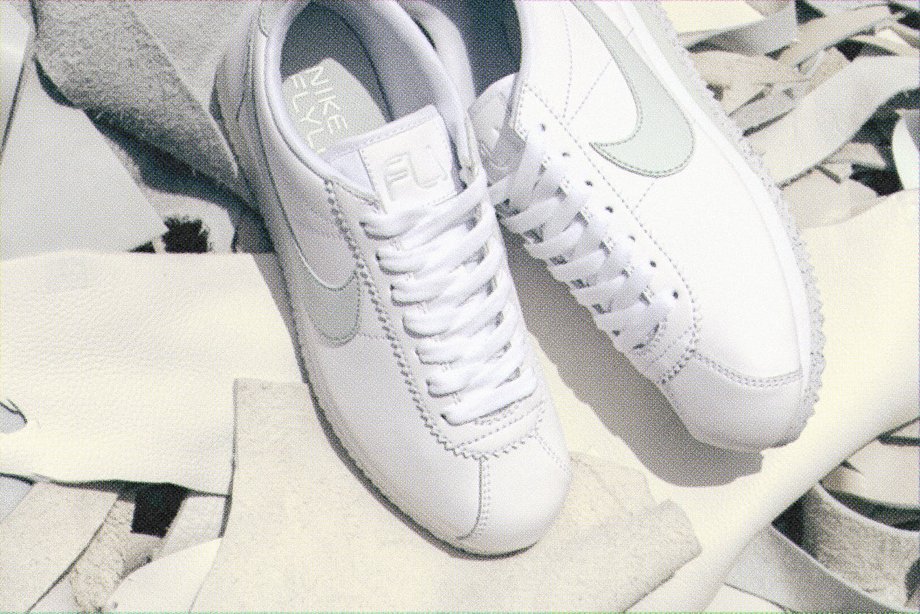

Nike Flyleather ↗︎
Flyleather is Nike’s most sustainable engineered leather material ever, made from at least 50% leather fiber. It’s created using leather manufacturing scraps that would otherwise go to landfill.
Nike Flyleather ↗︎
Flyleather is Nike’s most sustainable engineered leather material ever, made from at least 50% leather fiber. It’s created using leather manufacturing scraps that would otherwise go to landfill.
Nike Flyleather ↗︎
Flyleather is Nike’s most sustainable engineered leather material ever, made from at least 50% leather fiber. It’s created using leather manufacturing scraps that would otherwise go to landfill.
Inspiration
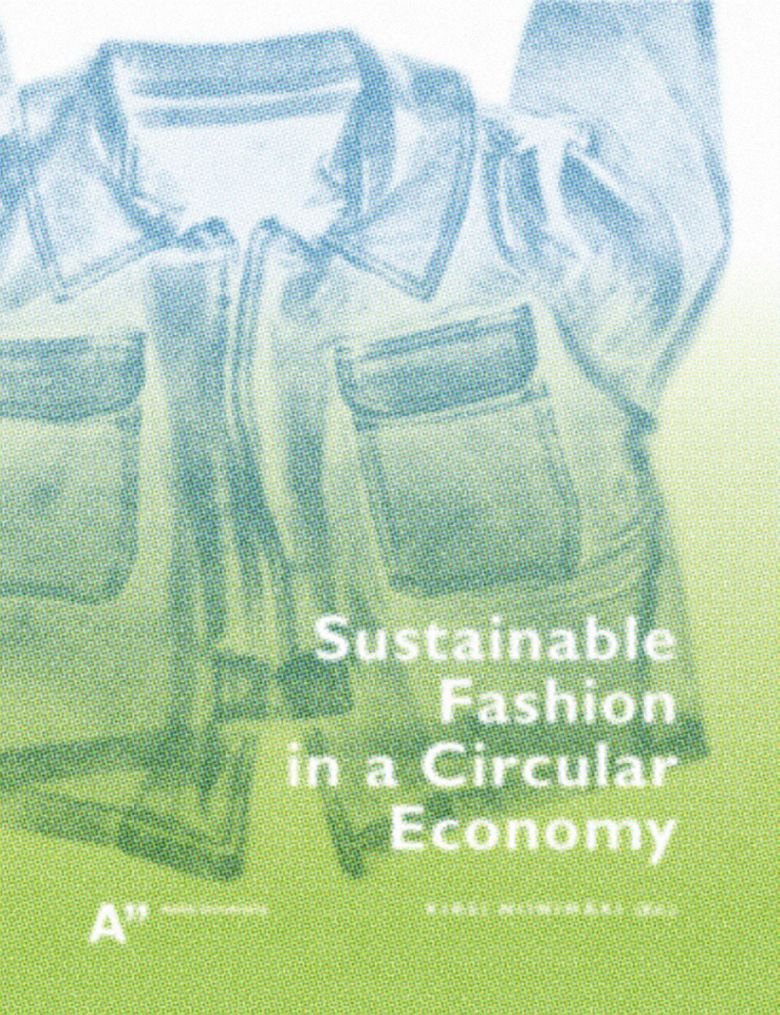
“Sustainable Fashion in a Circular Economy” by Kirsi Niinimäki
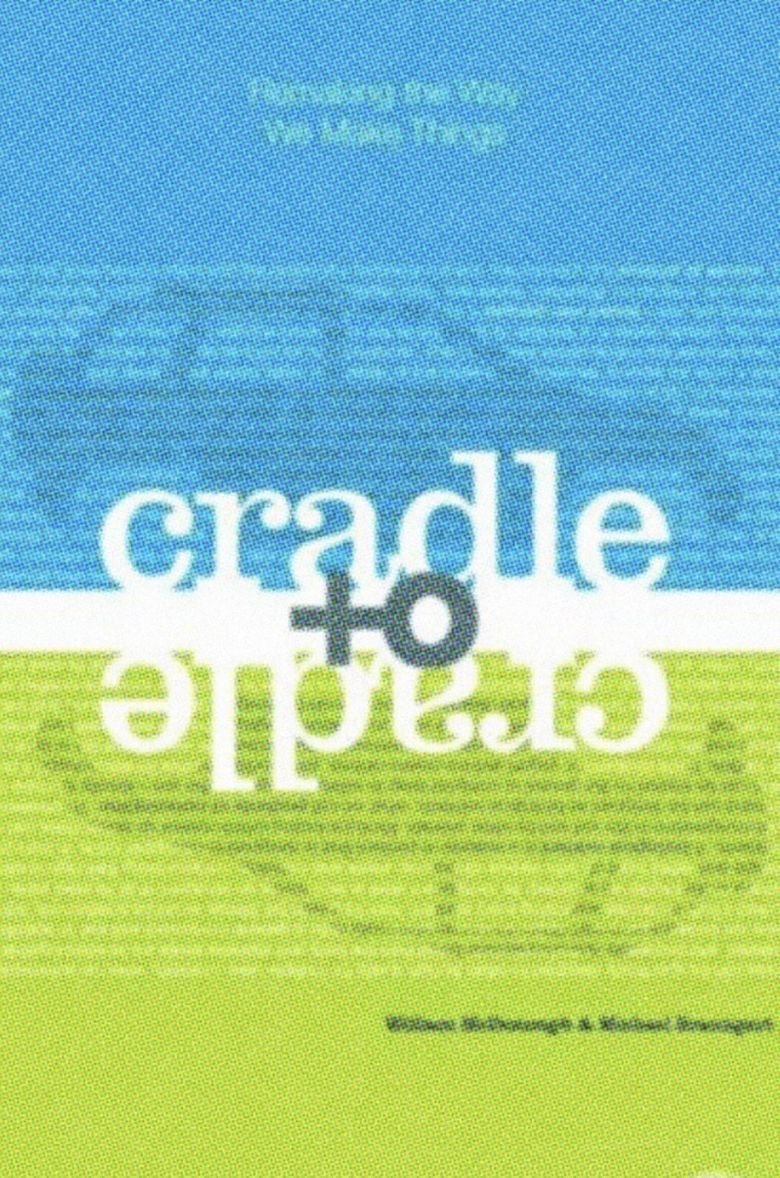
“Cradle to Cradle: Remaking the Way We Make Things” by William McDonough & Michael Braungart
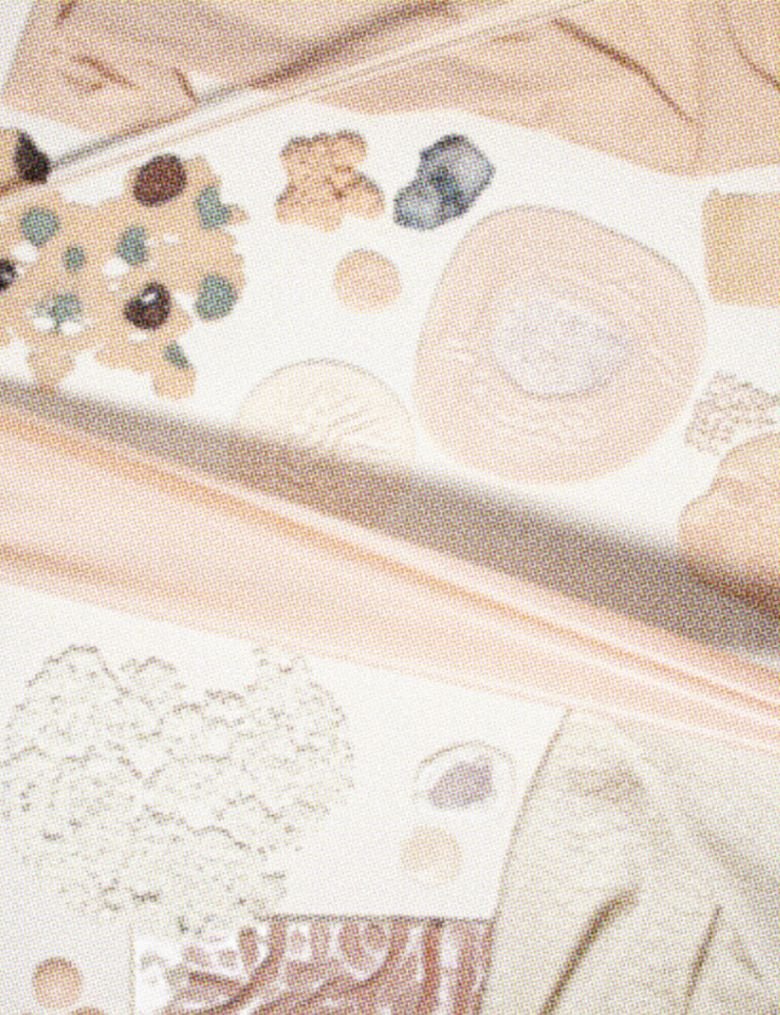
Franklin Till Studio

Milan Design Week
“Material Matters: New Materials in Design” by Philip Howes & Zoe Laughlin
“Envisions: Wood in Process”